Big Bear Alpine Zoo: A Complete Visitor’s Guide
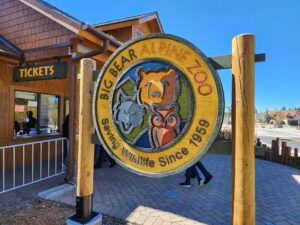
Tucked into the pines of Moonridge, the Big Bear Alpine Zoo is one of the most meaningful stops you can make in the valley, and one of the easiest to love. It is not a big-city zoo of far-flung exotic species. It is a wildlife rescue and rehabilitation center, home to grizzly bears, a snow leopard, gray wolves, eagles, and dozens of other animals, most of them rescued after being injured or orphaned. Walking its shaded paths, you get remarkably close to alpine wildlife while learning the real stories behind each resident. This guide covers everything a traveler needs: the animals, tickets and hours, what to expect, and how to fold a visit into your Big Bear trip.
The Big Bear Alpine Zoo at 42801 Moonridge Road is a wildlife rescue and rehabilitation center caring for more than 85 species, including grizzly bears, a snow leopard, gray wolves, and birds of prey. It is open daily, 10 a.m. to 5 p.m. in summer and 10 a.m. to 4 p.m. in winter. Admission runs $17 for adults and $12 for seniors, youth, and military, with kids 2 and under free and parking included. Most of the animals are non-releasable rescues, so a visit is both a great family outing and a way to support local wildlife care. Plan about one to two hours.
More than a zoo: a wildlife rescue
The Big Bear Alpine Zoo began in 1959, when a wildfire tore through the San Bernardino National Forest and left injured and orphaned animals behind. What started as a makeshift shelter for an orphaned bear cub and two bobcats grew, over decades, into a full rehabilitation facility once known as the Moonridge Animal Park. Its mission has never really changed: rescue, rehabilitate, and, whenever possible, release.
That last part is the key to understanding the place. The zoo returns the majority of the animals it treats back to the wild. The ones you see on exhibit are the exceptions, animals whose injuries or human imprinting mean they would not survive on their own, so the zoo gives them a permanent, well-cared-for home. It means nearly every resident has a story, from a one-eyed raptor to a bear raised too close to people, and the staff share those stories as part of the experience. In 2020 the zoo moved into a new, purpose-built facility on Moonridge Road, with grizzly bear Harley as its first resident. Your admission helps fund the rescue and rehabilitation work that continues behind the scenes.
The animals you will meet
The zoo is home to more than 85 species of primarily alpine and North American wildlife, the kind of animals that actually live in and around these mountains. The signature residents are the grizzly and black bears, the snow leopard, and the gray wolves, but the smaller residents, from foxes to owls to a sandhill crane, are just as worth your time. Here is a look at who lives there, by category.
| Category | Animals you may see |
|---|---|
| Bears | Grizzly bears, black bears |
| Big cats | Snow leopard, mountain lions, bobcat |
| Wolves & foxes | Gray wolf, coyotes, red fox, gray fox, San Joaquin kit fox |
| Other mammals | Mule deer, raccoon, ringtail, striped skunk, flying squirrel, fox squirrel, African pygmy hedgehog |
| Birds of prey | Bald eagle, golden eagle, red-tailed hawk, American kestrel, great horned owl |
| Other birds | Sandhill crane, American white pelican, turkey vulture, raven, American crow, Steller’s jay, Canada goose, mallard duck |
| Reptiles | Box turtle, gopher snake, king snake |
Animal residents change as rescues arrive and others are released, so the exact lineup varies. Source: the Big Bear Alpine Zoo animal listings.
Tickets, hours, and planning your visit
The zoo sits at 42801 Moonridge Road in Big Bear Lake, near the base of Bear Mountain and just a few minutes from The Village. Parking is free in the lot east of the entrance, and you can buy tickets at the gate or online in advance. Here is the current admission.
| Ticket | Price |
|---|---|
| Adult (ages 13 to 59) | $17 |
| Senior (60 and up) | $12 |
| Youth (ages 3 to 12) | $12 |
| Military (with ID) | $12 |
| Children 2 and under | Free |
| Groups of 10 or more | $1 per person off (at the counter) |
Hours are seasonal: 10 a.m. to 5 p.m. daily in summer (Memorial Day through Labor Day) and 10 a.m. to 4 p.m. daily the rest of the year. On snowy days the zoo may open late or close for snow removal, so call ahead in winter if the weather looks iffy. Prices and hours can change, so confirm the latest details and buy tickets on the zoo’s official plan-a-visit page before you head over.
What to expect at the zoo
The Big Bear Alpine Zoo is compact and walkable, with shaded, mostly gentle pathways connecting the habitats. Most visitors spend one to two hours, which is enough to see every animal without rushing, and it is easy to combine with something else the same day. A few things to keep in mind: visitors are not permitted to touch, feed, or interact with the animals, which keeps both people and wildlife safe, and the zoo does not rent strollers or wheelchairs, so bring your own if you need one. Service animals are welcome, but pets are not. To protect the animals and the grounds, the zoo also asks visitors to leave behind items like glass containers, laser pointers, scooters, and skateboards.
The real magic is in the details. Because so many residents are rescues, the signage and staff focus on each animal’s biology, habitat, and personal story, which turns a quick loop into a genuine learning experience for kids and adults alike.
Best time to visit
The zoo is a year-round attraction, and the season shapes the experience. Summer brings the longest hours and the most active mornings, though it is also the busiest, so arriving near opening at 10 a.m. beats the midday crowds and the afternoon heat. Fall is quieter and comfortable, with animals often more active in the cooler air. Winter has its own appeal, since many of these are cold-climate species that come alive in the snow, but hours are shorter and weather can force a late opening or closure. Whatever the season, mornings are generally the best time to catch the animals moving, and weekdays are calmer than weekends and holidays.
Special events
Beyond a standard daytime visit, the zoo hosts seasonal events worth timing your trip around. In the warmer months, the popular Twilight Safaris at the Big Bear Zoo let you explore after hours as the nocturnal animals wake up, and around Halloween the family-friendly Boo at the Zoo brings costumes and festivities. These events sell out and run on set dates, so check the schedule and book ahead if one lines up with your stay.
Visiting with kids
This is one of the most reliable family outings in Big Bear. The scale is right for short attention spans, the animals are the recognizable stars kids love, and the rescue angle gives parents an easy way to talk about wildlife and conservation. Bring your own stroller for little legs, pack water and sun protection for the higher elevation, and plan around nap schedules by going early. If you are building a full family day, the zoo pairs well with the nearby SkyPark family adventure park and with horseback riding, which is just up the road in the same Moonridge area. For even more ideas, our full list of things to do in Big Bear has you covered.
Frequently asked questions
How much does the Big Bear Alpine Zoo cost?
Admission is $17 for adults ages 13 to 59, and $12 for seniors 60 and up, youth ages 3 to 12, and military with ID, while children 2 and under are free. Groups of 10 or more get a small per-person discount at the ticket counter. Prices can change, so it is smart to buy online or check the zoo’s official site before you go. Parking is free.
What are the zoo’s hours?
The Big Bear Alpine Zoo is open daily year-round, from 10 a.m. to 5 p.m. in summer (Memorial Day through Labor Day) and 10 a.m. to 4 p.m. the rest of the year. On snowy winter days it may open late or close for snow removal, so it is worth calling ahead between storms. Plan roughly one to two hours to see everything at a relaxed pace.
What animals are at the Big Bear Alpine Zoo?
The zoo cares for more than 85 species of alpine and North American wildlife, including grizzly and black bears, a snow leopard, mountain lions, gray wolves, foxes, bobcats, bald and golden eagles, owls, a sandhill crane, and many smaller mammals and reptiles. Most are rescued animals that could not be released back to the wild. The table above lists the residents by category so you know what to look for.
What makes the Big Bear Alpine Zoo different from a regular zoo?
It is a wildlife rehabilitation center first and a zoo second. Founded in 1959 after a local wildfire, it rescues injured and orphaned animals, releases the majority back into the wild, and keeps only those too hurt or too human-imprinted to survive on their own. That means nearly every animal on exhibit has a real rescue story, and your admission helps fund their ongoing care.
Is the zoo good for kids?
Yes. It is compact, walkable, and full of animals children recognize, which makes it an easy outing for a wide range of ages. Two things to know: the zoo does not rent strollers or wheelchairs, so bring your own if you need one, and visitors are not allowed to interact with or feed the animals for everyone’s safety. It pairs nicely with other family stops nearby.
Where is the zoo, and where do you park?
The Big Bear Alpine Zoo is at 42801 Moonridge Road in Big Bear Lake, near the base of Bear Mountain and a short drive from The Village. Parking is free in the lot just east of the entrance, with handicapped spaces available. The zoo moved to this new, purpose-built location in 2020, so older directions to the former Moonridge site may be out of date.
Do I need to buy tickets in advance?
You do not have to, but you can buy tickets online through the zoo’s booking system, which is handy on busy summer weekends and holidays. Buying ahead also locks in your visit if you are planning a full day. Groups of 10 or more should contact the zoo in advance to arrange group rates and, if you want one, a guided tour.
Stay nearby and make a family trip of it
Base your visit in a Big Bear cabin with room for everyone. Browse our family-friendly rentals and put the zoo at the top of the itinerary.
Search Big Bear cabins Traveling with kids? See our family vacation rentals.